
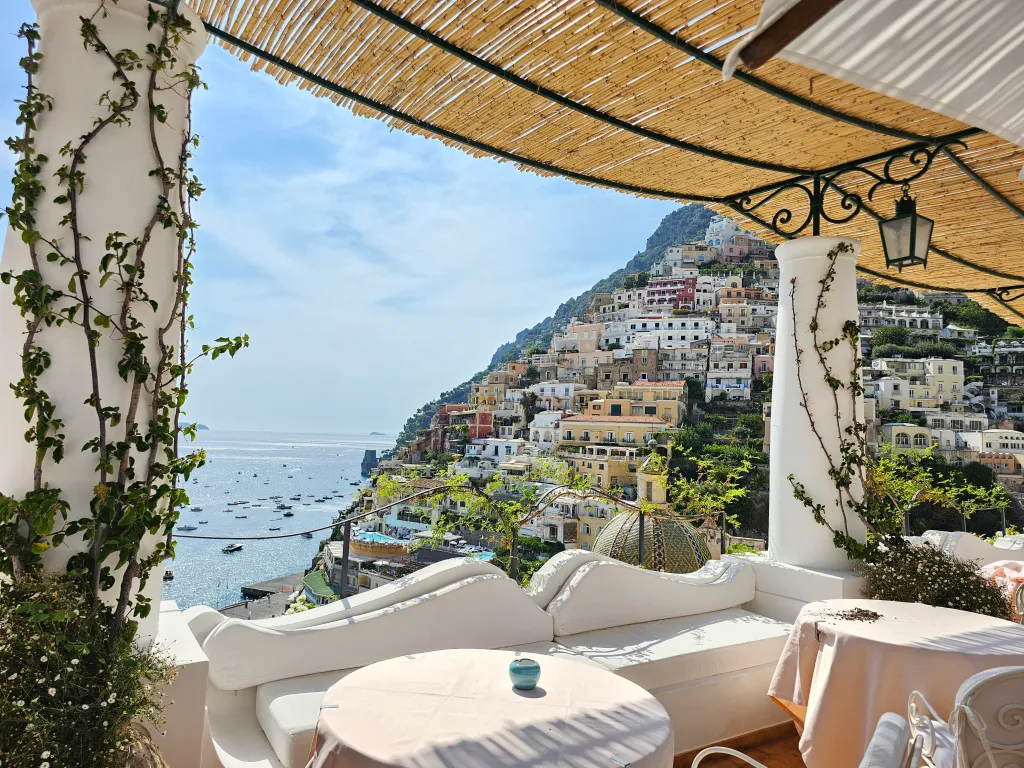
There are places in the world that photographs have made familiar before you arrive, and then there are places that still manage to astonish you in person. The Amalfi Coast is firmly in the second category. The cliffs are steeper, the sea is more intensely blue, the villages more improbably perched, and the light particularly in the hour before sunset more extraordinary than any image prepared you for. The Passport Stamper
The coast stretches roughly 50 kilometers along the southern edge of the Sorrentine Peninsula in Campania, running from Positano in the west through Praiano, Amalfi, Ravello, and Cetara before reaching Salerno. Every town has its own character, its own rhythm, and its own version of the same extraordinary backdrop. The UNESCO World Heritage designation it has held since 1997 reflects what the numbers also confirm: this is one of the most visited stretches of coastline in the world.
For luxury travelers, the Amalfi Coast rewards a deliberate approach. The best hotels are extraordinary. The finest restaurants serve some of the most ingredient-led cuisine in Italy. And seen from the water aboard a private boat moving between Positano and Capri on a clear June morning it is simply one of the finest experiences in travel.
This guide covers everything you need to plan a luxury Amalfi Coast trip in 2026: where to stay, where to eat, how to navigate the water, and how to get there in style.
When to Visit the Amalfi Coast
Timing matters more here than almost anywhere else in Europe. The coast operates on an extreme seasonal curve overwhelming in July and August, eerily quiet from November through March, and genuinely perfect in the shoulder months on either side.
May and early June are the finest weeks of the year. The weather is warm and settled, the bougainvillea is in full bloom across every terrace and cliff face, the sea is warm enough to swim, and the summer crowds haven’t yet arrived. Restaurants are fully staffed, hotel rates are below peak, and the coast roads notoriously congested in July and August are still navigable.
September and October offer a similar quality of experience the summer heat has softened, the water is at its warmest (retained from the summer), the light has turned to amber, and the day-tripper crowds have thinned considerably. Many experienced Amalfi Coast visitors argue that late September is the single best week of the year.
July and August are the most expensive, most crowded, and most logistically challenging months. If you must travel then and many people do, for perfectly good reasons book everything six months in advance and set your expectations around the crowds rather than fighting them.
Where to Stay: The Best Luxury Hotels on the Amalfi Coast
Le Sirenuse Positano
Le Sirenuse is not merely the finest hotel on the Amalfi Coast it is one of the great hotels in the world. The Sersale family has owned and operated the property since 1951, and the decades of refinement show in every detail: the antique furniture collected personally by successive generations, the arrangement of the terraces to maximize the Positano view, the Franco’s Bar where Negronis are made with a precision that borders on ceremony.
The hotel occupies an 18th-century palazzo on the upper slopes of Positano, looking directly down over the village rooftops and the Chiesa di Santa Maria Assunta to the sea. Rooms and suites vary in size and position the junior suites with private terrace and sea view are the entry point worth aspiring to, and the Grand Deluxe suites are among the finest hotel rooms in Italy.
The pool is small by modern resort standards but positioned with extraordinary care the view from the water is the classic Positano photograph in real life. La Sponda restaurant, with its hundreds of hand-placed candles lit at dusk, is a dining experience that guests describe for decades afterward. Book a table here on your first night and set the tone for everything that follows.
Monastero Santa Rosa Conca die Marini
Monastero Santa Rosa occupies a 17th-century Dominican monastery carved into the cliff face between Priano and Amalfi a property so dramatically positioned that arriving here for the first time produces a genuine sharp intake of breath. The monastery’s terraced gardens cascade down the cliff to a pool that appears to float above the sea, and the renovation has been done with such care that the monastic bones of the building are entirely preserved within the luxury.
There are only 20 rooms and suites, each with a different character determined by the original monastery’s architecture. The spa is set within the former monks’ cells vaulted stone ceilings, candlelight, and treatments that use locally grown herbs from the monastery garden. The kitchen grows much of what appears on the menu.
This is the right hotel for travelers who want beauty and quiet in equal measure fewer amenities than some of the larger properties, but an atmosphere of rare, contemplative luxury that the coast’s busier hotels cannot replicate.
Belmond Hotel Caruso Ravello
Ravello sits high above the coast 350 meters above sea level in a position that gives it a different quality of light and a view that encompasses the entire Gulf of Salerno. The Belmond Hotel Caruso occupies an 11th-century palazzo here with an infinity pool that has appeared in more luxury travel publications than almost any other single image in Italian hospitality a pool that looks, from the right angle, as though it overflows directly into the sea far below.
The hotel is quieter and more refined than the Positano properties Ravello attracts a calmer, more culturally inclined visitor, and the Belmond reflects this. The rooms are furnished with antiques, the garden is extraordinary, and the food reflects both the Belmond group’s high standards and the exceptional local produce buffalo mozzarella, San Marzano tomatoes, the lemons that grow on every terrace.
Ravello is also home to the annual Ravello Festival, one of Italy’s most distinguished classical music events, held in the gardens of Villa Rufolo with the sea as backdrop. If your dates align with a performance, do not miss it.
Villa Treville Positano
Villa Treville is the most private and exclusive address on the coast a collection of three historic villas set within cliff gardens above Positano that operates as a single private estate, accommodating a maximum of 24 guests at any one time. The property has historic connections to film director Franco Zeffirelli, whose personal art collection and furniture remain throughout.
The experience here is entirely different from a conventional hotel. There are no check-in desks, no lobbies, no strangers at the next table. A dedicated staff serves your group exclusively, the cook prepares what you want when you want it, and the terraced gardens and private sea access create a level of seclusion that the coast’s more famous hotels simply cannot offer.
Villa Treville is the right choice for groups of close friends or family traveling together who want the Amalfi Coast experience without any of its compromises.
Where to Eat: The Amalfi Coast’s Finest Restaurants
La Sponda at Le Sirenuse Positano
Already mentioned above, but worth reiterating dining at La Sponda under candlelight with Positano spread below you is a non-negotiable experience for any serious visitor to this coast. The cuisine is refined Campanian fresh pasta, local seafood, extraordinary produce and the service runs at the gentle, unhurried pace that the best Italian restaurants maintain regardless of how busy they are.
Zass at Il San Pietro di Positano Positano
Il San Pietro is a cliff-face hotel of extraordinary drama, and Zass its terrace restaurant delivers food that matches the setting. The tasting menu uses hyperlocal ingredients: fish caught that morning, vegetables grown in the hotel’s terraced gardens, lemons plucked from trees visible from your table. One Michelin star, and worth every course.
Rossellinis at Palazzo Avino Ravello
Rossellinis holds two Michelin stars and is consistently one of the finest restaurants in southern Italy. Chef Pino Lavarra’s cuisine is technically precise but rooted in Campanian tradition a combination that produces dishes of genuine memorability. The terrace setting, looking out over the coast from Ravello’s elevated position, adds a theatrical quality to an already exceptional meal. Reserve well in advance.
Lo Scoglio Marina del Cantone
Slightly off the standard Amalfi Coast circuit on the Sorrentine Peninsula near Sant’Agata sui Due Golfi Lo Scoglio has become a pilgrimage destination for food lovers. The De Gregorio family has run this simple seaside restaurant for generations, and the quality of their seafood pasta, grilled fish, and zucchini dishes has attracted guests ranging from local fishermen to international celebrities. No fuss, no ceremony, extraordinary food.
Il Faro di Capo d’Orso Maiori
A terrace restaurant perched at the lighthouse above Maiori with unobstructed views east along the coast. The seafood is exceptional this stretch of coast near Cetara is home to the anchovy fishing tradition that has supplied Italian kitchens for centuries and the atmosphere is relaxed and genuinely local in a way that the Positano restaurants, with their international crowds, sometimes aren’t.
How to Sail the Amalfi Coast
Seen from the road, the Amalfi Coast is spectacular. Seen from the water, it is transcendent. The cliff villages, which from land feel overwhelming in their verticality, reveal their full drama from a boat offshore and the access to sea caves, hidden beaches, and the waters between the coast and Capri is only possible by water.
Private day charter is the standard approach for luxury travelers: a skipper, a boat (typically a Gozzo Sorrentino the traditional wooden vessel of these waters or a sleek modern motorboat depending on preference), and a route tailored to your group. A full-day charter from Positano to Capri and back, with stops for swimming at the Faraglioni rocks, lunch at Da Luigi ai Faraglioni, and a late-afternoon sail back along the coast in the golden hour, is one of the definitive luxury travel experiences available anywhere in Europe.
Half-day charters are also widely available morning departures along the coast toward Amalfi and the sea caves near Conca dei Marini, or sunset charters that time the return to Positano as the village lights up against the darkening cliff. Both are worth doing on different days if your schedule allows.
Capri is a full-day excursion by boat approximately 40 minutes from Positano in calm conditions. The island warrants the journey: the Blue Grotto is rightly famous, the Faraglioni rock formations are extraordinary from the water, and lunch at a cliffside restaurant above the Marina Grande before the sail home completes a day that stays in memory for years.
For groups wanting a multi-day sailing experience, a crewed yacht charter operating from Naples or Amalfi can take in the full coast, the islands of Capri, Ischia, and Procida, and the volcanic landscape of the Phlegraean Fields in a four-to-seven-day itinerary. This is the finest way to experience the Tyrrhenian Sea, and several charter companies operate quality fleets out of the region.
Getting to the Amalfi Coast
The coast is most commonly accessed via Naples (the nearest major airport, roughly 60 to 90 minutes by road from Positano depending on traffic and season) or Rome (three hours by high-speed train to Naples, then road transfer). For travelers arriving on international long-haul flights, Naples has direct connections from several European hubs, but most intercontinental travelers will connect through Rome or Milan.
For the long-haul leg, the quality of your business class cabin shapes how you arrive rested and ready versus exhausted and frayed. Our Qatar Airways Business Class vs Emirates Business Class comparison covers the two most popular options for travelers routing through Gulf hubs into Rome or Milan. Turkish Airlines offers direct service from numerous North American and Asian cities via Istanbul into Naples a routing that allows a genuinely worthwhile stopover in one of Europe’s greatest cities. Our Turkish Airlines Business Class review and 48-hour Istanbul stopover guide cover both dimensions of that routing in detail.
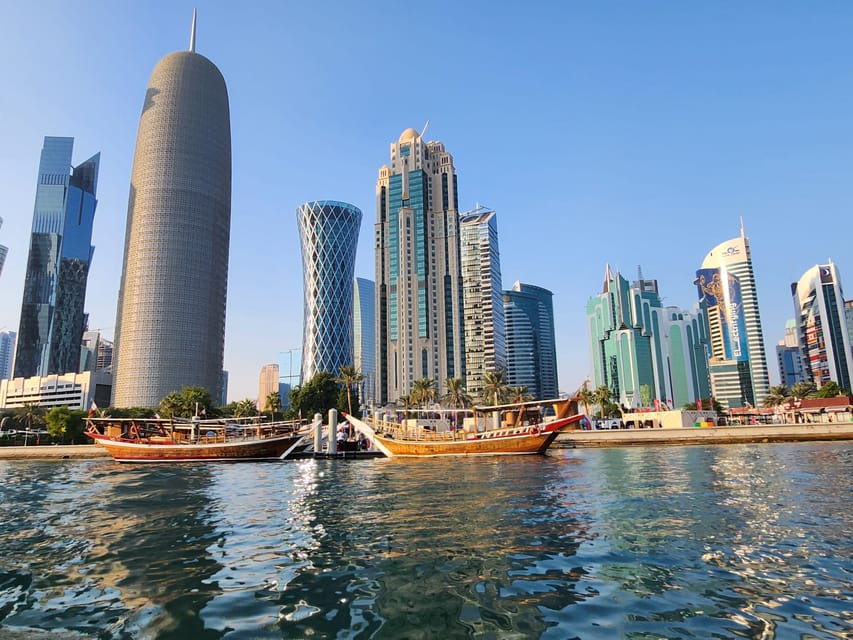
Travelers coming from Southeast Asia or Australia often route through Dubai or Doha. Both hubs are worth extending into a stopover our ultimate Dubai stopover guide, Doha stopover guide, and Singapore stopover guide each make the case for turning the connection into a destination in its own right.
Once you land in Naples, a private transfer to the coast is strongly recommended over self-driving the SS163 Amalfitana, the single-lane road that winds along the cliff face, is genuinely one of the most spectacular drives in the world and genuinely one of the most stressful to navigate in high season. A driver who knows the road, the passing places, and the right time of day to make each section changes the experience entirely.
Final Thoughts
The Amalfi Coast in 2026 remains what it has always been: one of the finest combinations of natural beauty, cultural depth, culinary excellence, and sheer visual drama available in European travel. The hotels listed here represent the genuine best of the coast across different positions, scales, and philosophies from the intimate perfection of Le Sirenuse to the monastic drama of Monastero Santa Rosa and the elevated serenity of Belmond Caruso in Ravello.
Travel here in May, June, or September. Eat at Rossellinis on a clear evening when the Ravello air is warm. Charter a boat at least once. Swim in the sea. Order limoncello at the end of dinner without asking for the menu first. Let the pace of southern Italy slow you down in the way that only Italy can.
The Amalfi Coast will meet you more than halfway.
Planning a European luxury trip with a Gulf or Asian stopover en route? Browse our destination guides for Dubai, Doha, Singapore, and Istanbul to make the journey as memorable as the destination.