
There is a reason Singapore is consistently ranked the world’s best airport city. It is not just Changi Airport the extraordinary four-terminal complex that offers a butterfly garden, a rooftop swimming pool, a 40-metre indoor waterfall, and a free city tour for transit passengers with a qualifying layover. It is everything beyond those sliding glass doors: a city-state of four million people that has, over the span of a single generation, transformed itself into one of the most advanced, beautiful, and genuinely surprising urban environments on earth. The Passport Stamper
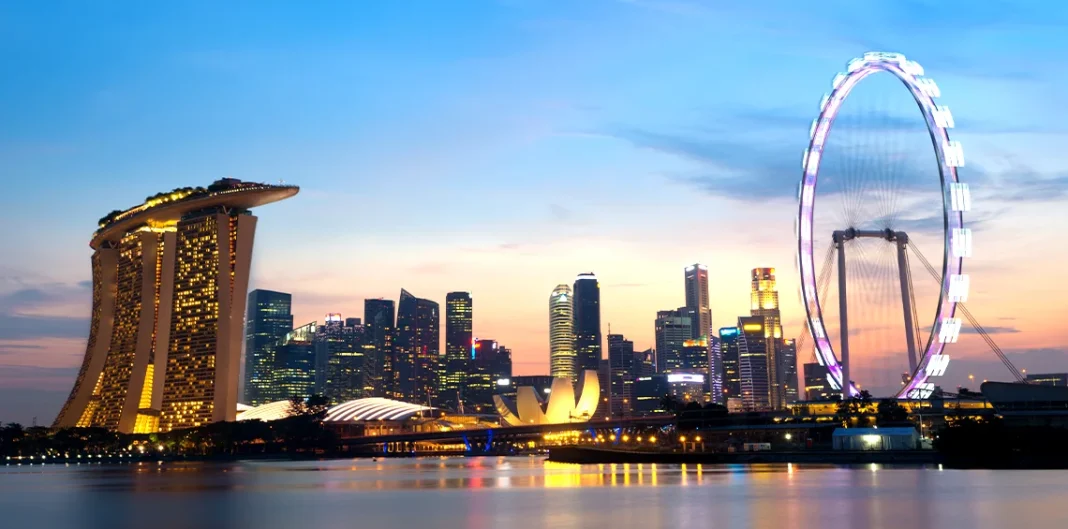
Singapore is where the colonial and the futuristic coexist on the same street. Where a Michelin-starred hawker stall selling $2 chicken rice sits three blocks from a rooftop infinity pool overlooking a skyline that looks like something from a science fiction film. Where rainforest-covered hills and UNESCO-listed botanic gardens press right up against the glass towers of one of the world’s great financial centers. For the stopover traveler, it delivers a concentration of exceptional experiences that no other Asian city can match in 36 hours.
This Singapore stopover guide takes you through a day and a half of art, food, nature, and pure luxury calibrated for travelers who demand the best and refuse to waste a single hour in transit.
Why Singapore Is Asia’s Ultimate Stopover City
Singapore’s Changi Airport has won the Skytrax World’s Best Airport award more times than any other, and for good reason. The Jewel Changi Airport terminal a glass-and-steel dome housing the world’s tallest indoor waterfall, a five-hectare forest valley, and over 280 retail and dining outlets is technically an attraction in its own right. Many travelers arrive early simply to spend time in Jewel before their onward flight.
Beyond the airport, Singapore’s positioning at the crossroads of Southeast Asia makes it the natural hub for travelers between Europe, Australia, Japan, India, and beyond. Singapore Airlines, one of the world’s most consistently decorated carriers, routes millions of passengers through Changi every year, and its Singapore Stopover Holiday programmed offers eligible transit passengers discounted hotel packages, complimentary tours, and curated city experiences.
What truly sets Singapore apart from other stopover cities is its operational perfection. The MRT (Mass Rapid Transit) metro system is clean, punctual, and affordable. Taxis and ride-hailing apps are plentiful and honest. English is an official language. The food is extraordinary at every price point. And the city is compact enough that a full 36 hours covers enormous ground.
If you are building a broader Middle Eastern and Asian stopover itinerary, our guides to the Doha Stopover: 24 Hours in Qatar, the Ultimate Dubai Stopover: 24, 48 & 72 Hours in Pure Luxury, and the Istanbul Stopover: 48 Hours of Art, Food & Luxury are essential reading but Singapore is a category of its own.
Singapore Stopover Essentials: What to Know Before You Go
Visa: Citizens of most Western nations including the UK, USA, EU countries, Australia, Canada, and New Zealand do not require a visa to enter Singapore for stays of up to 30 days. Most Southeast and Northeast Asian nationals are also visa-free. Check the Singapore Immigration and Checkpoints Authority website for the most current list before travel.
Getting Around: The Singapore MRT is the fastest and most affordable way to move around the city. It connects Changi Airport directly to the city center in approximately 30 minutes. Grab (Southeast Asia’s leading ride-hailing platform) and standard taxis are widely available and reasonably priced for a city of Singapore’s standard. For the Marina Bay area and the southern waterfront, walking is often the most pleasurable option.
Currency: The Singapore Dollar (SGD) is one of the strongest currencies in Asia. International credit cards are universally accepted. ATMs are plentiful at the airport and throughout the city. Singapore is an expensive city by regional standards but offers extraordinary value at its highest end the quality-to-price ratio at luxury hotels, fine dining restaurants, and premium attractions is among the best in the world.
Weather: Singapore sits just one degree north of the equator and is warm and humid year-round, with temperatures between 25°C and 33°C. Afternoon rain showers are common, particularly between November and January. A light umbrella and breathable clothing are essential. The heat is manageable in short bursts between air-conditioned interiors.
Key Neighborhoods:
- Marina Bay the futuristic waterfront heart of modern Singapore; Gardens by the Bay, Marina Bay Sands, the Art Science Museum
- Chinatown heritage shophouses, hawker centres, Buddhist temples, and craft boutiques
- Little India incense, marigolds, textile shops, and some of the city’s best curry
- Kampong Glam the Malay-Arab quarter; the Sultan Mosque, Haji Lane’s boutiques and murals
- Orchard Road Singapore’s luxury shopping corridor; flagship stores, five-star hotels, and rooftop bars
- Sentosa Island beach clubs, Universal Studios, and resort hotels at the southern tip of the island
Day One: The Icons of Singapore
Morning Jewel Changi and the Journey In
If you arrive at Changi, begin at Jewel before you even board the MRT into the city. The HSBC Rain Vortex a 40-metre indoor waterfall cascading through the center of a forest-filled glass dome — is the largest indoor waterfall on earth and one of the most spectacular pieces of engineering and landscape design in all of Asia. Walk the Sky Nets above the forest canopy, browse the retail concourse at your leisure, and take a proper breakfast at one of Jewel’s quality café options before heading downtown.
Mid-Morning Gardens by the Bay
Arrive at Gardens by the Bay as it opens and you will have the Super tree Grove almost to yourself. The 18 vertical tree-like structures between 25 and 50 meters tall, covered in living ferns, orchids, and bromeliads are among the most recognizable landmarks in contemporary Singapore. At night they light up and pulse with music during the Garden Rhapsody sound and light show, but in the early morning they have a quieter, more contemplative quality.
Do not miss the two climate-controlled conservatories: the Flower Dome (the world’s largest glass greenhouse) houses an ever-changing floral display from the Mediterranean, South Africa, and the Americas; the Cloud Forest recreates a cool, mist-shrouded tropical mountain ecosystem around a 35-metre indoor mountain waterfall. Both are architectural and horticultural masterpieces that justify the modest entry fee many times over.
Midday Marina Bay Sands: The Infinity Pool
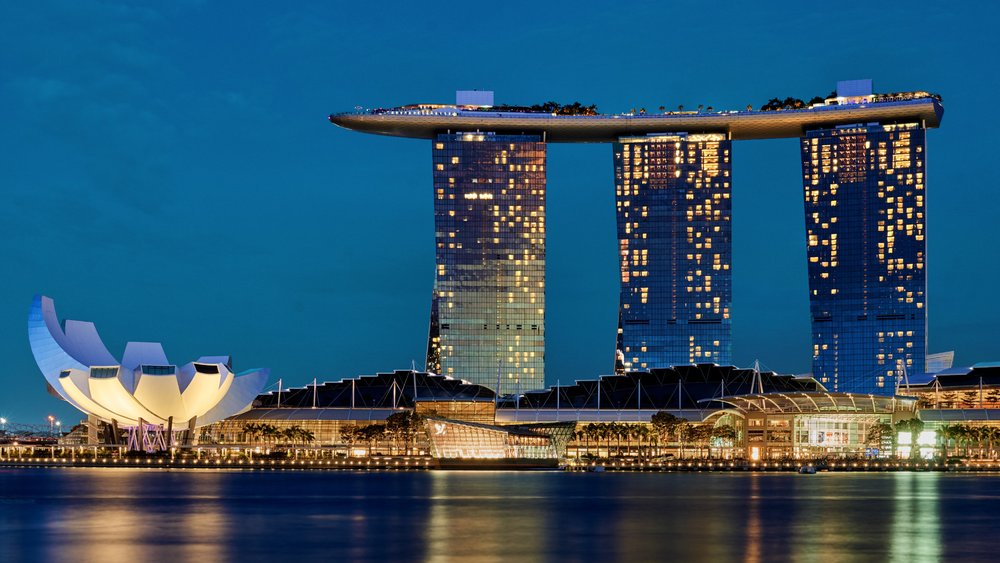
No Singapore stopover is complete without the Marina Bay Sands (MBS) infinity pool the most photographed hotel pool in Asia, perched 200 meters above the city on the roof of a three-tower integrated resort. The pool is exclusively for hotel guests, so for the full experience, a night or two at the Marina Bay Sands is a well-justified investment. The view the Singapore skyline to the north, Gardens by the Bay to the east, the straits and Sentosa to the south is one of the great urban panoramas in Asia.
If you are not staying at MBS, the Skypark Observation Deck on Level 57 is open to all visitors and delivers the same breathtaking views without the swim. Alternatively, a weekend brunch reservation at Spago by Wolfgang Puck on the Skypark level includes access to the terrace with full skyline views.
Afternoon The Art Science Museum and the Singapore River
Below Marina Bay Sands, the lotus-flower-shaped Art Science Museum is one of Singapore’s most innovative cultural institutions. Its permanent and rotating exhibitions sit at the intersection of art, science, design, and technology recent shows have featured deep-dive immersive installations, retrospectives of major international artists, and explorations of future cities and climate science. The building itself, designed by Moshe Safdie and resembling a giant white flower opening toward the sky, is an architectural landmark.
From the museum, walk or take a bumboat (traditional river taxi) along the Singapore River to the historic Boat Quay and Clarke Quay precincts rows of restored colonial shophouses converted into restaurants, bars, and boutiques lining the water’s edge. This area, once the commercial heart of colonial Singapore, is now one of the city’s most atmospheric dining districts for an early-afternoon lunch.
Evening Hawker Culture: A UNESCO-Listed Meal
Singapore’s hawker centers are among the most beloved and democratic food institutions in the world open-air food courts where dozens of individual stalls serve specialty dishes refined over generations, at prices that remain intentionally affordable for all Singaporeans. UNESCO inscribed Singapore’s hawker culture on its Intangible Cultural Heritage list in 2020.
For your evening hawker experience, head to Maxwell Food Centre in Chinatown (home of the original Tian Tian Hainanese Chicken Rice, endorsed by Gordon Ramsay and Anthony Bourdain alike), Lau Pa Sat in the CBD (in a beautifully restored Victorian cast-iron market hall), or Newton Food Centre in Novena (famously featured in the film Crazy Rich Asians). Order widely: char kway teow (stir-fried flat rice noodles), laksa (spiced coconut curry noodle soup), satay from the charcoal grills, chili crab, and a cold Tiger beer.
After dinner, make your way back to Marina Bay for the Garden Rhapsody light and music show at the Super tree Grove (free, nightly at 7:45pm and 8:45pm) a fitting and spectacular close to your first full day.
Day Two: Culture, Heritage, and Elevated Indulgence
Morning Singapore Botanic Gardens
Begin your second morning at the Singapore Botanic Gardens, a UNESCO World Heritage Site and one of the finest tropical gardens in the world. Founded in 1859 and spanning 82 hectares across the edge of Orchard Road, the gardens contain the world’s largest permanent orchid display at the National Orchid Garden, a primary rainforest dating back over a century, and beautifully landscaped lawns, lakes, and heritage trees throughout.
The gardens are free to enter (except the National Orchid Garden, which charges a small fee) and at their most magical in the early morning, when mist hangs over the lake and joggers and birds have the paths largely to themselves. The Halia Restaurant inside the gardens serves a renowned weekend brunch amid ginger plants and rainforest trees one of the most atmospheric breakfast settings in Singapore.
Mid-Morning Chinatown and Kampong Glam
Singapore’s heritage districts are a lesson in the city-state’s extraordinary multicultural identity. Spend an hour in Chinatown exploring the shophouse streets of Pagoda, Terengganu, and Smith Streets colorful terrace houses selling incense, paper lanterns, dried goods, and handcrafted goods alongside stylish independent coffee shops and heritage museums. The Sri Mariam man Temple, Singapore’s oldest Hindu temple built in 1827, sits at the edge of Chinatown in a reminder of how densely layered the city’s cultural geography really is.
From Chinatown, take the MRT two stops to Bugis and walk into Kampong Glam, the city’s Malay-Arab heritage quarter. The Sultan Mosque its golden dome visible from several streets away anchors the neighborhood, while the surrounding streets contain perfumeries selling custom Arabic oud blends, textile shops, and Haji Lane, a narrow alley of independent boutiques and street art beloved by Singapore’s creative community.
Afternoon Orchard Road and Luxury Shopping
No Singapore stopover is complete without time on Orchard Road, one of Asia’s premier luxury shopping destinations. The three-kilometer boulevard is lined with flagship stores for every major luxury house Louis Vuitton, Dior, Chanel, Hermès, Cartier as well as Singapore’s own premium department stores and design boutiques. ION Orchard, at the Orchard MRT station, anchors the strip with a stunning glass tower designed by Benoy and an observation deck offering panoramic views toward the Central Business District and Sentosa.
For something more curated, the shophouses of Dempsey Hill a converted colonial barracks complex surrounded by rainforest greenery house design galleries, independent boutiques, antique dealers, and some of the city’s most elegant restaurants and wine bars. It is a world away from the main Orchard Road bustle and worth the short taxi ride.
Evening Fine Dining and a Rooftop Farewell
Singapore’s fine dining scene is one of the most dynamic in Asia a city with more Michelin stars per capita than almost anywhere else on earth, and an extraordinary range of culinary traditions to draw from.
Odette in the National Gallery Singapore has held three Michelin stars and ranked among Asia’s 50 Best Restaurants consistently for years. Chef Julien Royer’s French cuisine built on classical technique but suffused with Southeast Asian ingredients and sensibility is among the finest dining experiences in all of Asia. The dining room, with its pastel tones and floral installations overlooking the Padang, is as beautiful as the food.
For something equally memorable but more rooted in Singapore’s own identity, Labyrinth in Clarke Quay by Chef Han Li Guang reinvents traditional Singaporean hawker dishes through a fine dining lens a deeply intelligent and emotional celebration of the city’s food culture.
End your Singapore stopover at the 1-Altitude rooftop bar on the 63rd floor of One Raffles Place, or at Loof bar on the rooftop of Odeon Towers in the Civic District both offering elevated views over the Marina Bay skyline and the perfect vantage point from which to say farewell to one of Asia’s greatest cities.
Where to Stay: Singapore’s Finest Luxury Hotels
Marina Bay Sands The iconic triple-tower integrated resort with the world’s most photographed infinity pool. Unmatched for location, facilities, and sheer spectacle. The channel-view rooms facing the Gardens by the Bay and the waterfront are the ones to book.
Raffles Singapore The grande dame of Singapore hospitality, fully restored in 2019 to its original colonial splendor. Every accommodation is a suite; the Long Bar birthplace of the Singapore Sling cocktail is one of the world’s great hotel bars.
Capella Singapore Tucked into the lush hills of Sentosa Island behind restored colonial bungalows and tropical gardens, Capella offers the most intimate and serene luxury experience in Singapore a world apart from the city intensity, yet minutes by cable car from the action.
The Singapore EDITION A sleek, design-forward property in the heart of the CBD, the EDITION brings Ian Schrager’s signature blend of cool modernism and warm hospitality to a city that appreciates both.
Mandarin Oriental Singapore Overlooking Marina Bay from the financial district, the Mandarin Oriental combines the brand’s legendary Asian service philosophy with a prime waterfront location and one of the best hotel spas in the city.
Final Thoughts: Singapore Rewards Every Minute You Give It
Thirty-six hours in Singapore is enough to fall completely in love and barely enough to scratch the surface. This is a city that has thought deeply about every detail of the visitor experience from the airport orchids to the hawker center UNESCO plaque, from the Super tree light show to the infinite rooftop pool and delivered each one with a precision and warmth that is entirely its own.
Give Singapore your longest layover. It will give you more in return than almost any other city on earth.